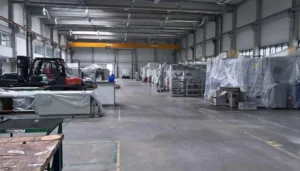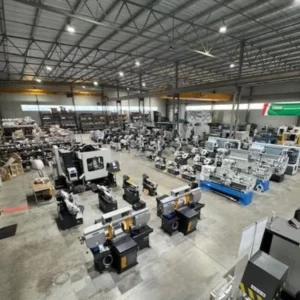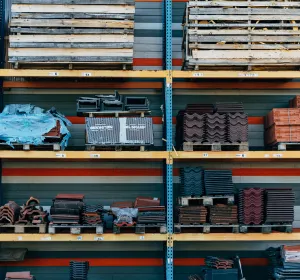
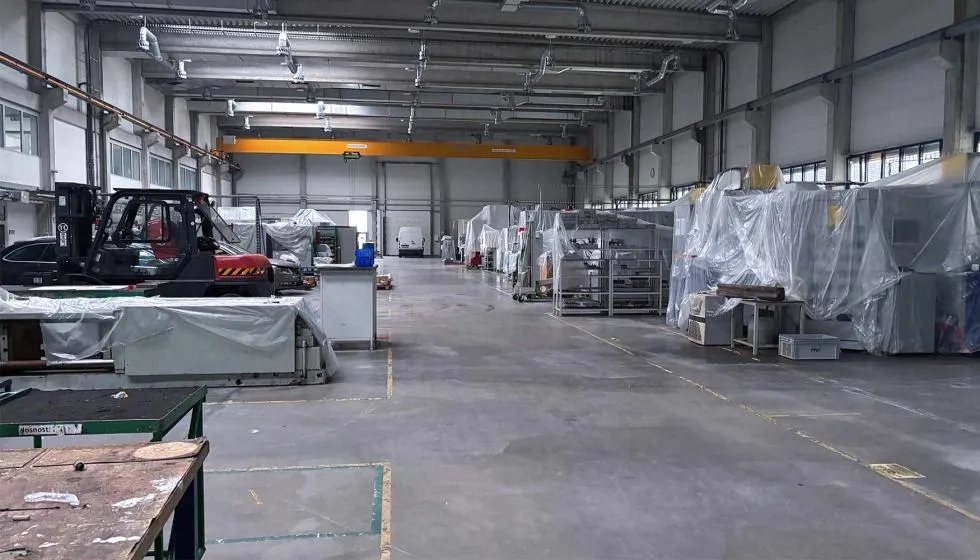
A factory closure involves a lot of moving parts, staff, equipment, leases, contracts, and somewhere in the middle of all that, stock. It’s often one of the last things anyone plans for properly, which is exactly why it’s worth knowing the options before the closure date is already on top of you.
The Direct Answer
What Actually Happens to Stock in a Factory Closure
In short:
- Stock either gets used up, moved to another site, sold on, or left behind to be cleared or disposed of.
- Raw materials and work-in-progress are the most commonly overlooked, since finished goods are usually easier to sell or ship out.
- Businesses that plan for stock early tend to recover far more value from it than those who leave it until the closure date.
In practice, what happens depends almost entirely on how early the stock gets dealt with. Handled early, most of it can be sold on as a going concern of sorts, in bulk, to someone who’ll actually use or resell it. Left until the last few days, it usually ends up disposed of, simply because there’s no time left to do anything else with it.
Why It Gets Missed
Why Stock Often Gets Left Until Last
Closing a factory usually has a clear order of priorities: staff, contracts, equipment, and the lease itself. Stock sits lower down that list because it doesn’t feel as urgent, right up until the closure date arrives and it suddenly is. Raw materials in particular get overlooked, since they’re not as visible or as valuable-looking as finished products, even though they often represent a meaningful chunk of what’s tied up on site.
Options
The Realistic Options for Factory Stock
- Transfer it to another site, if the business has one and the stock is worth moving
- Sell it through normal channels, which works for finished goods but rarely for raw materials or components
- Discount and clear it in a closing-down sale, which suits retail-facing stock more than industrial stock
- Sell it in bulk to a specialist buyer, which works for raw materials, components, work-in-progress and finished goods alike Sell Stock When Closing or Relocating a Factory.
- Leave it to be disposed of, which is the costliest option once collection and waste handling are factored in
The Cost of Leaving It
What It Costs to Leave Stock Behind
Stock left on site after a closure doesn’t just vanish once the doors shut. If the site’s leased, unremoved stock can hold up handing the unit back and lead to dilapidation costs. If it’s owned, someone still has to arrange and pay for its removal eventually, and by that point it’s usually being treated as waste rather than something with any recoverable value left in it.
Timing
Why Timing Matters More Than People Expect
The earlier stock gets dealt with in a closure, the more options there are. A few weeks out, there’s still time to get a proper quote and arrange collection on reasonable terms. A few days out, the choice narrows fast, and disposal often becomes the only realistic option left. If a closure is already on the calendar, it’s worth getting stock sorted well before the final week rather than leaving it to the end.
FAQs
Common Questions About Factory Closure Stock
What happens to raw materials when a factory closes?
If there’s time before the closure, raw materials can usually be sold on to a buyer who’ll use or resell them. Left too late, they typically end up disposed of, which costs money rather than recovering any of it.
Can leftover stock delay a factory closure or lease handover?
Yes, particularly where a lease requires the unit to be handed back empty. Stock still on site at that point can hold things up or lead to additional costs from the landlord.
Is it worth selling stock even if the factory is closing for good?
Generally yes. A factory closing doesn’t mean the stock inside it has lost its value, and selling it in bulk is usually far better than paying to have it removed as waste Sell Stock When Closing or Relocating a Factory.
How far in advance should stock be dealt with before a closure?
As early as possible once a closure date is confirmed. A few weeks’ notice generally gives enough time for a proper quote and collection, while leaving it until the final days narrows the options considerably.
Closing a Factory and Need Stock Cleared?
We buy stock outright from UK factories that are closing or relocating, in one transaction, collected to fit your deadline Sell Stock When Closing or Relocating a Factory.