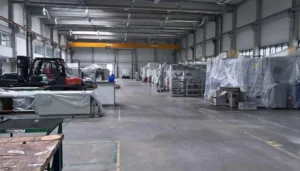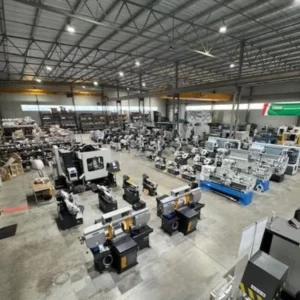
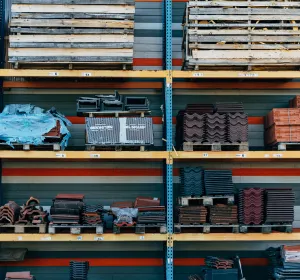
Excess raw materials and components are a different problem to excess finished goods. There’s no retail channel to discount them through, no customer base to market them to, and they often just sit there quietly getting more expensive to store. Here’s what businesses actually do with them.
Why It Builds Up
Why Raw Materials and Components Pile Up
It rarely comes down to one mistake. A supplier’s minimum order quantity is higher than what’s actually needed. A product gets redesigned and the old components no longer fit anything in production. A contract ends and the materials bought in for it are left with no use. Forecasts miss, orders get bought ahead of demand that doesn’t fully arrive. All of it adds up to stock that’s technically an asset but functionally dead weight sitting in a warehouse.
The Direct Answer
What Businesses Actually Do With Excess Raw Materials and Components
In short:
- Some gets used eventually, if there’s a plausible future use and enough storage patience.
- Some gets sold back to suppliers or trade buyers, though this is rarely straightforward for non-standard materials.
- Most excess industrial stock that isn’t used or returned ends up sold in bulk to a specialist buyer, since it has no retail resale route.
Unlike finished consumer goods, raw materials and components don’t have an obvious secondary market that an ordinary business can tap into. There’s no marketplace built for offloading a pallet of a specific alloy or a batch of a discontinued component. That’s why so much of it either sits indefinitely or ends up sold in bulk to a buyer set up specifically to take that kind of stock.
Why Waiting Doesn’t Help
Why Sitting on Excess Materials Rarely Pays Off
There’s a common assumption that holding onto excess raw materials is the safe option, in case they’re needed again later. In practice, storage isn’t free, and materials tied up in unused stock are also tied up as cash the business could be using elsewhere. If the materials are genuinely unlikely to be used, for example because the product they were bought for has been redesigned or discontinued, holding onto them mostly just delays a decision that isn’t going to change.
What Actually Works
What Actually Works for Clearing Excess Materials
- Check with the original supplier about a return or partial refund, though this depends heavily on the material and the supplier’s own policy
- Offer it to other businesses in the same industry who might use the same materials, which works occasionally but relies on knowing the right contacts
- Sell it in bulk to a specialist stock buyer, which works reliably regardless of how niche the material or component is Sell Raw Materials, Components & Finished Goods
- As a last resort, arrange disposal, which is the option that recovers no value at all
Mixed Stock
What If It’s a Mix of Materials and Components, Not Just One Type?
This is normal rather than the exception. Most businesses clearing excess stock aren’t dealing with one tidy category, it’s usually a combination of raw materials, spare components, and maybe some part-finished or finished stock alongside it. Rather than trying to find a separate buyer for each type, it’s generally quicker to sell the whole mix as one lot.
This is exactly what our raw materials and components buying service is built to handle Sell Raw Materials, Components & Finished Goods.
FAQs
Common Questions About Excess Raw Materials and Components
Can I return excess raw materials to my supplier?
Sometimes, though it depends on the supplier’s own returns policy and how long ago the materials were bought. It’s worth asking, but it’s not something to rely on for older or non-standard stock.
What can I do with components that no longer fit our current products?
If there’s no internal use left for them, selling them on in bulk to a stock buyer is usually the most reliable route, since there’s rarely a retail market for individual component parts Sell Raw Materials, Components & Finished Goods page.
Is it worth trying to sell small quantities of leftover materials myself?
For very small amounts, it might not be worth the time involved. For anything beyond a handful of units, selling in bulk is usually faster and recovers more value than trying to place it piece by piece.
Do specialist stock buyers take a mix of raw materials and components together?
Yes, that’s normally how this type of stock actually comes, mixed rather than in one neat category, and it’s usually more efficient to sell it that way in a single transaction.
Sitting on Excess Materials or Components?
We buy raw materials, components, work-in-progress and finished goods from UK factories, all in one quote and one collection Sell Raw Materials, Components & Finished Goods.